Kate The Exhibition
68 artworks. More than 30,000 years of art. One woman travelling through the history of human creativity.
Kate The Exhibition is a journey through the evolution of art, using Kate Middleton as its recurring muse.
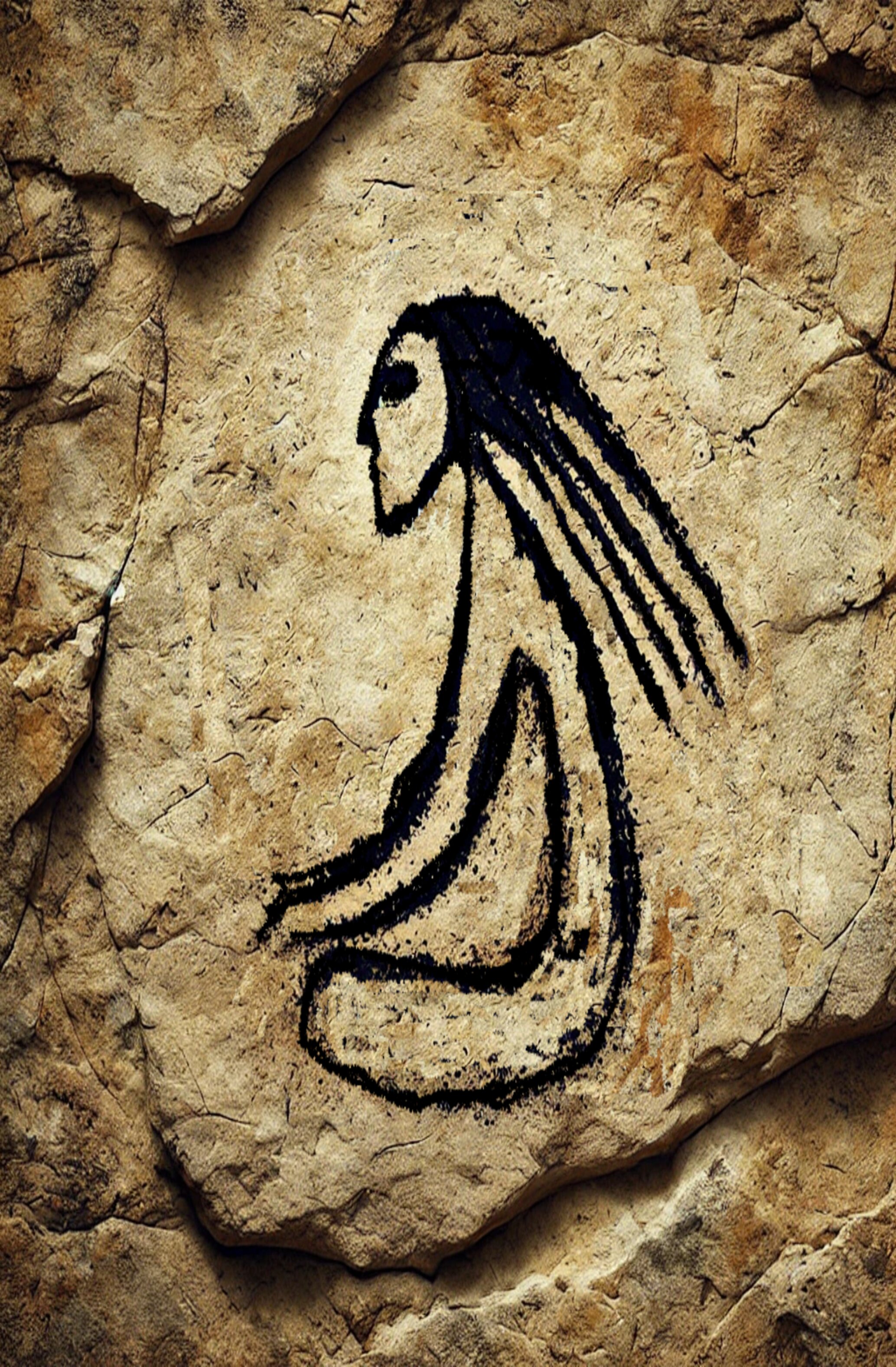
Kate's grace is formed on cave walls,
Timeless as earth's breath.
What if Kate had always been there?
In a prehistoric cave.
In ancient Egypt.
In Greece and Rome.
In a Byzantine icon.
In a Gothic cathedral.
In a Renaissance painting.
Through Baroque, Romanticism, Impressionism, Expressionism, Cubism, Futurism and the great movements that followed - until eventually she arrives in the age of digital and generative art.
That is the idea behind Kate The Exhibition.
Across 68 generative AI artworks, the same recognizable woman moves through thousands of years of changing artistic language.
Kate gives us a constant against which all of that change can be seen.
The works were not created as 68 unrelated experiments. They were conceived, selected and arranged as one exhibition - a visual story with a beginning, a progression and an ending.
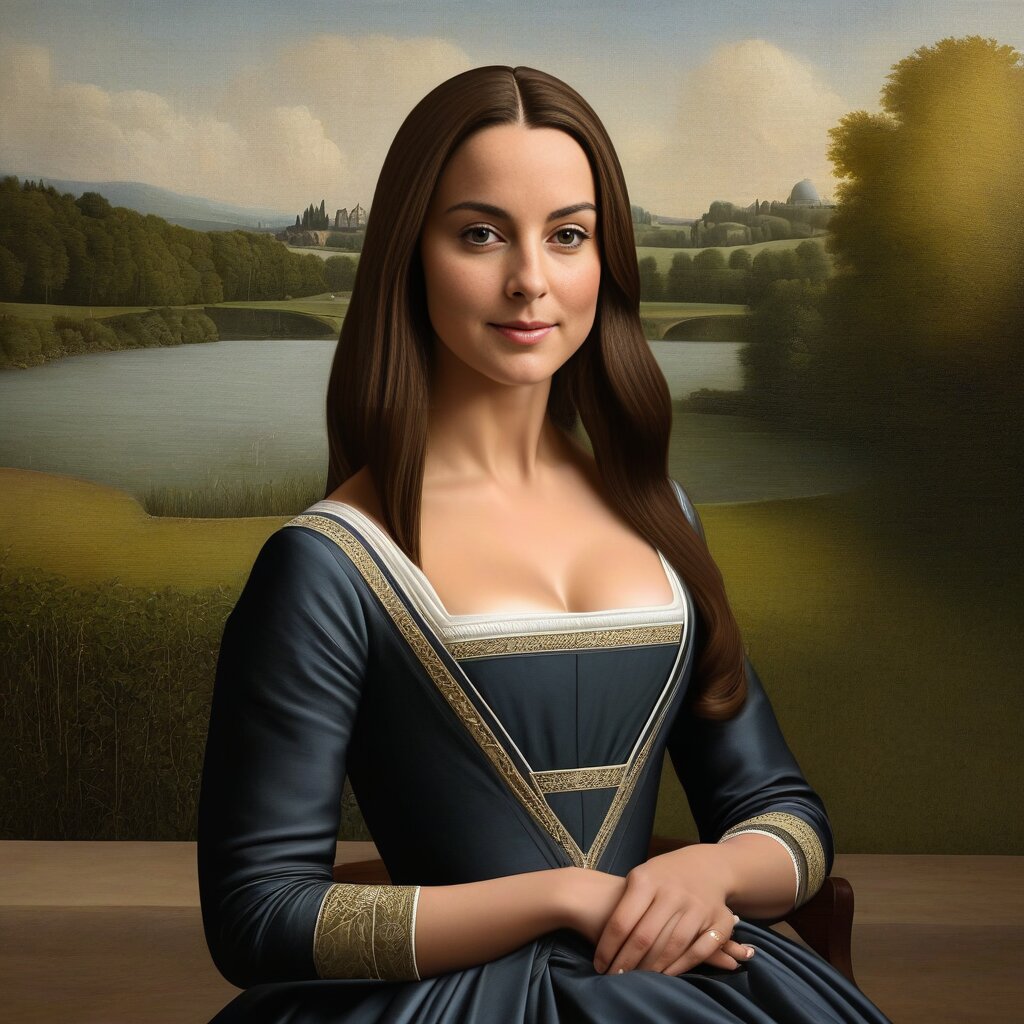
Mona Kate
High Renaissance · Ideal Proportions
Inspiration: Mona Lisa · Leonardo da Vinci
Kate smile holds a thousand thoughts,
Timeless art generated.
More than 30,000 years of art.
The journey begins more than 30,000 years ago with prehistoric art and continues through ancient Egypt, Greece and Rome, Byzantine and Gothic art, the Renaissance, Baroque and Rococo, Romanticism and Realism, Impressionism and Post-Impressionism.
It continues through Symbolism, Art Nouveau, Fauvism, Expressionism, Cubism, Futurism and the revolutionary movements of the twentieth century.
It eventually reaches contemporary art, street art, digital creation and artificial intelligence — the very technology that made this particular exhibition possible.
The exhibition is therefore about art history, but not only about art history.
It is also about transformation: how we represent people, how we define beauty, how society changes what we see, how new technologies change what is possible, and how every generation finds a new visual language for the human figure.
Everything else changes.
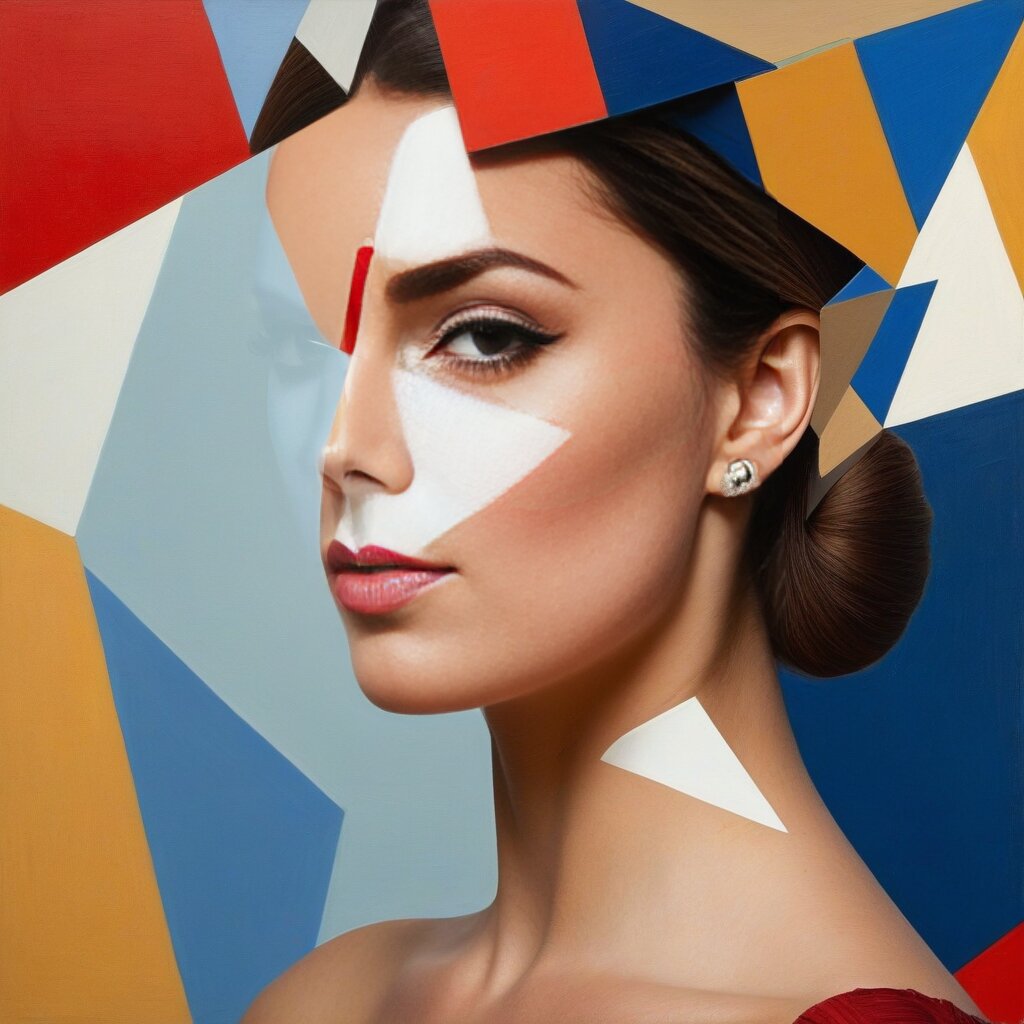
Every Child Is an Artist
Early Cubism · Fragmented Forms
Inspiration: Les Demoiselles d'Avignon · Pablo Picasso
Angles break the world apart,
New visions take shape.
Why Kate?
For the journey to work, something needed to remain constant.
Kate Middleton is one of the most recognizable contemporary public figures in the world. Her face is familiar enough that we immediately notice what happens when the visual language around her changes.
She can become sculpture, mosaic, icon, Renaissance portrait, Impressionist figure, Cubist geometry or digital construction - and yet we still search for Kate inside the transformation.
That tension between recognition and change is at the heart of my exhibition.
A new tool enters art history.
Generative artificial intelligence is the tool that allowed this exhibition to be created.
That does not make the exhibition an accidental collection of machine-generated images.
The artistic work lies also in the idea, the selection of the historical journey, the choice of inspirations, the direction of each image, the rejection of unsuccessful works, the selection of the final works, their titles, their haiku, their sequence, and the story created when they stand together.
AI becomes another tool in the long history of tools artists have used.
And appropriately, it appears at the end of a journey that began with pigment on a cave wall.
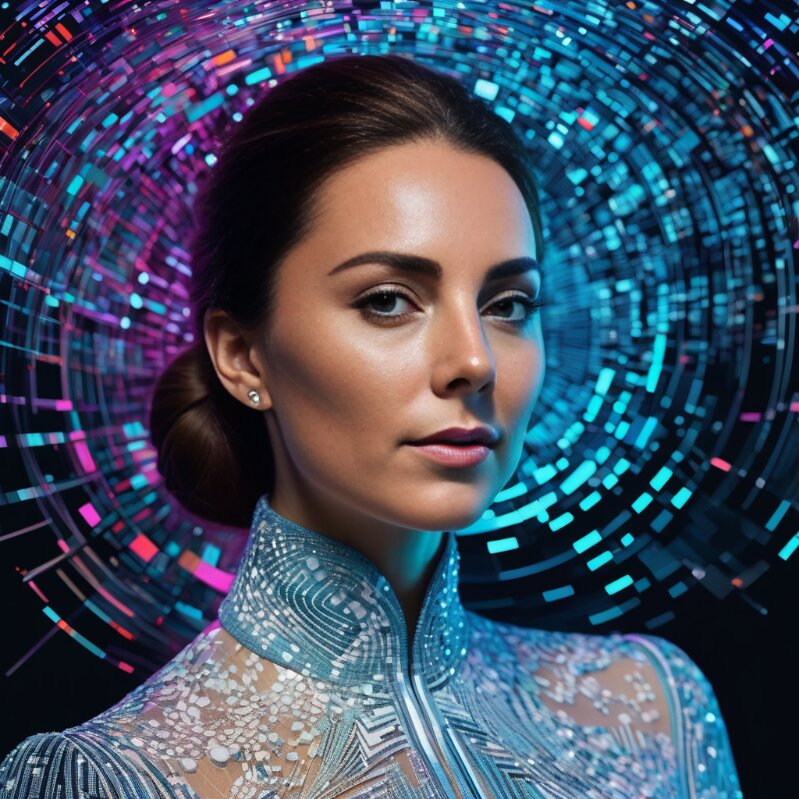
Techno Kate
Generative Art · AI and Data-Driven Art
Inspiration: Machine Hallucinations · Refik Anadol
Kate emerges from pixels,
Art through tech unfolds.
Leon (Arik) Schenkler
Kate The Exhibition is part of AriksWorld - my multidisciplinary creative work across art, books, games, public research, technology and other ideas.